Fleet Video Telematics for Logistics & Delivery
Logistics Video Telematics for Fleet Visibility and Cargo Oversight
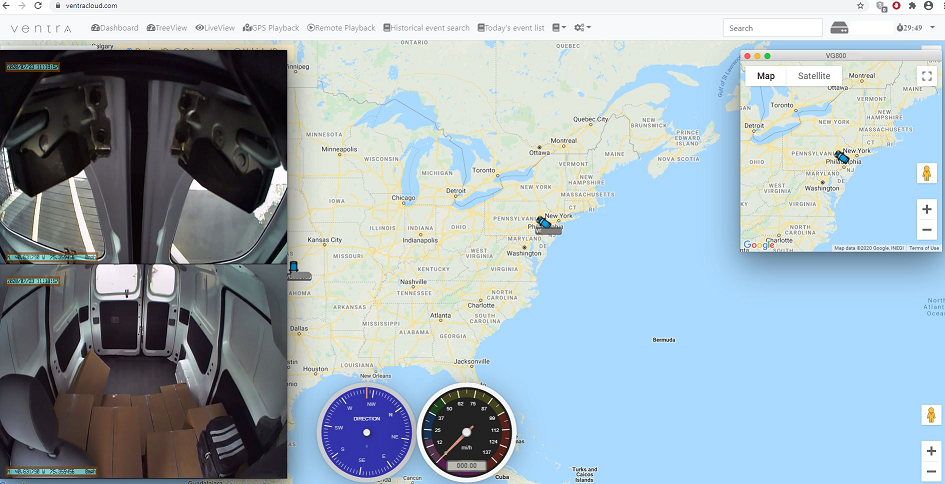
Fleet video telematics and dashcam systems for logistics and delivery fleets, with configurable multi-camera setups and optional in-cab monitor displays. Ventra supports deployments that combine video and GPS location context to support documentation, claims review, and operational visibility
Multi-Camera Dashcam Systems with Optional In-Cab Monitor Display
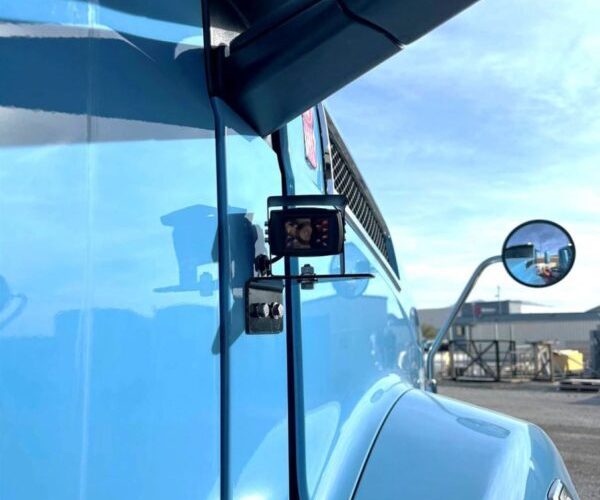
Ventra supports configurable multi-camera dashcam systems, typically ranging from 2 to 8 cameras, depending on vehicle type, hardware selection, and installation. These systems are used to record time-stamped video across tractors, trailers, box trucks, and cargo areas to support documentation and review workflows.
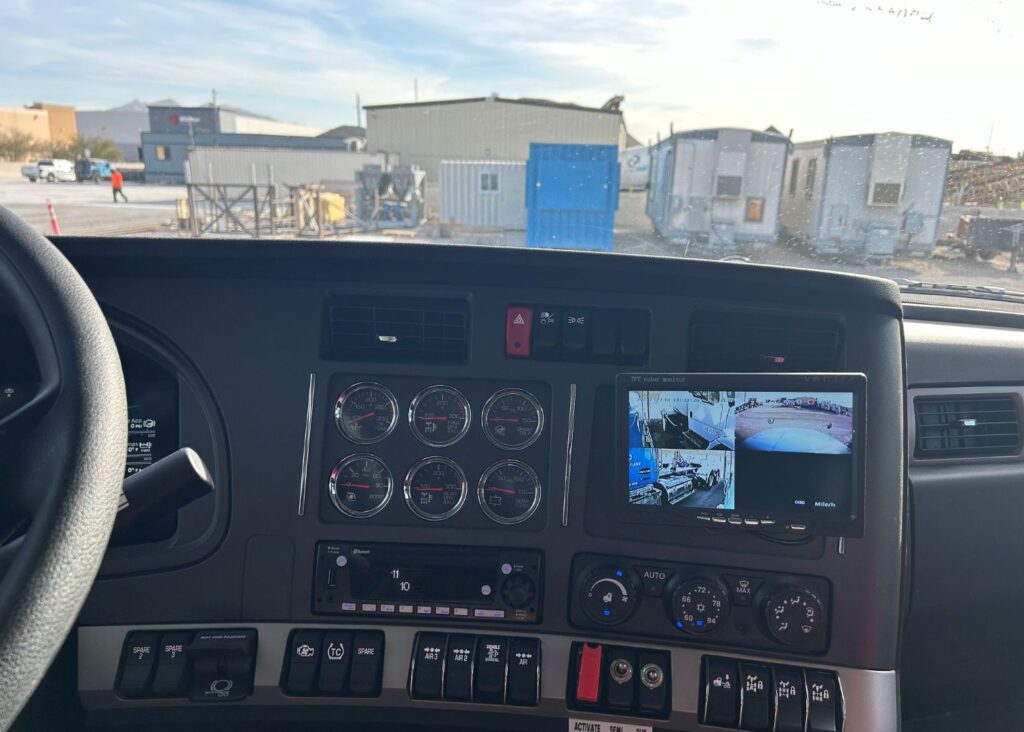
An optional in-cab LCD monitor connects directly to the system and can display all or selectable camera views based on preference and turn signals. Fleets commonly use this monitor during lane change, low-speed maneuvers such as backing, docking, and yard positioning, and trailer coupling.
The in-cab monitor is intended to support driver awareness by providing additional viewing angles during vehicle operation.
Side and Rear Visibility Challenges for Tractor-Trailers
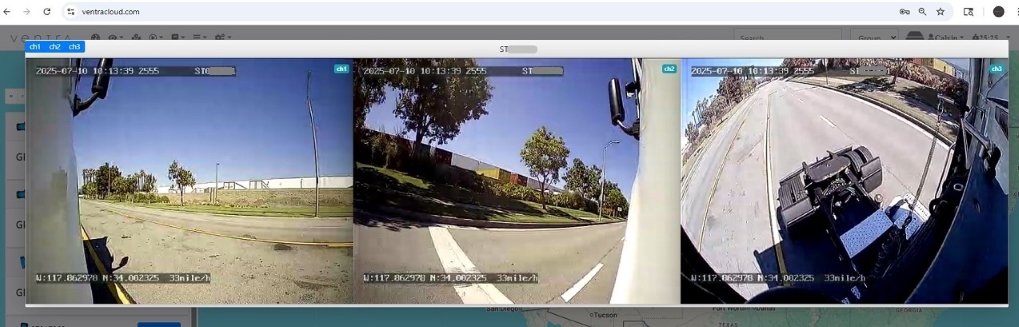
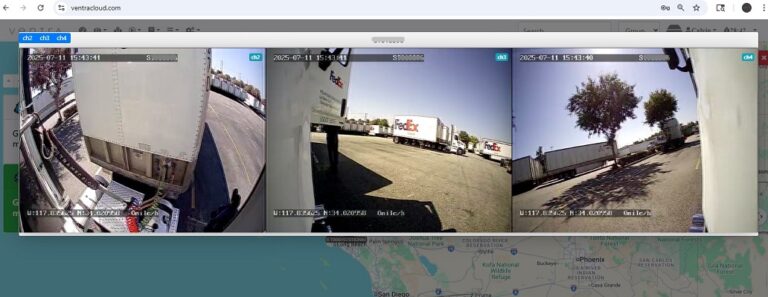
Large tractor-trailers and box trucks often have limited direct sightlines along the sides and rear of the vehicle. Many disputed claims involve alleged side contact, lane-change incidents, or trailer damage that forward-facing cameras alone may not capture. Multi-camera configurations that include side- and rear-facing views can provide additional visual context around these events, depending on camera placement and installation
Multi-camera views showing side, rear, and rear
Asset Utilization and Yard / Dock Visibility
In yard, terminal, and dock environments, video telematics can provide additional context around staging activity, trailer movement, and dwell time. Operations teams may review arrival and departure windows, queueing patterns, and repeated bottlenecks to better understand how assets are being utilized.
When paired with location context, video review may support analysis of under-utilized trailers, partial loads, and extended staging that impact turns and cycle time. Insights derived from these reviews depend on system configuration, coverage, and review practices.
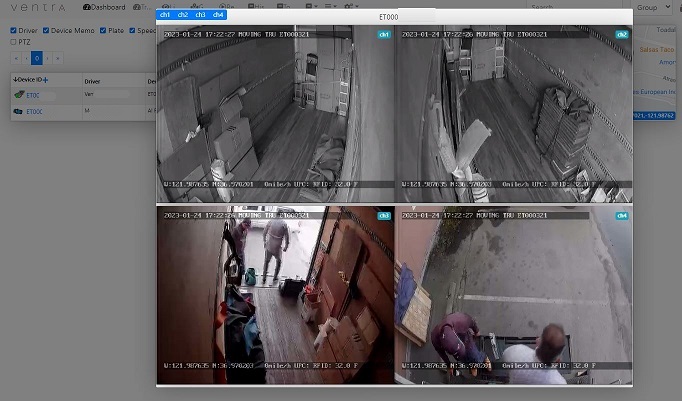
Example multi-camera views showing side, rear, and cargo-area context for documentation and review
Cargo Handling and Claims Review
Logistics and delivery fleets often face claims related to cargo damage, missing items, or quantity discrepancies that occur during loading, transit, or delivery. Multi-camera video systems can provide visual context around how cargo is handled at different stages of the trip, including dock activity, cargo-area access, and delivery handoffs, depending on camera placement and configuration
Fleets may use time-stamped video clips and location context to review reported damage or quantity disputes as part of internal claims workflows. These reviews can help teams understand handling conditions, identify relevant time windows, and support consistent communication with customers, shippers, or insurers when questions arise
Cargo Exception Visibility for High-Risk Shipments
Cargo crime remains a concern across the logistics industry, and industry reporting has noted increased incident activity in recent years. Dashcam and video telematics systems may support exception visibility by helping fleets document time windows, locations, and surrounding activity when an incident or irregularity is suspected. These tools may be utilized to assist with internal review and coordination with customers and stakeholders. These tools are intended to support internal review and coordination with authorized stakeholders and do not prevent cargo theft or guarantee outcomes.
INDUSTRY STATISTICS
Logistics Monitoring and Cargo Visibility
Evidence Collection for Claims and Investigations
Cargo Exception Review and Access Awareness
Operational Efficiency and Trailer Utilization
Cameras provide access to live and recorded video and location data across pickup, transit, and delivery points, subject to network availability. Logistics teams can review stops, door activity, and yard movement to document events, understand dwell time, and identify patterns that may require operational follow-up
In the event of an accident, theft, or damage, recorded video and location data serve as objective documentation. Fleets can review events, retrieve relevant clips, and share information with insurance carriers, shippers, or authorized stakeholders as appropriate to support claims review and investigations. Side- and rear-facing video clips may be particularly useful when reviewing claims involving alleged side contact, trailer contact, or damage that occurs outside the forward field of view
Visible cameras and event-based recording can support exception review around vehicles, trailers, and yard areas. Over time, fleets may use this visibility to reinforce handling procedures, document incidents, and review events related to cargo condition or unauthorized access attempts
Video telematics is a useful operational tool for improving trailers and cargo space utilization. By reviewing loading and unloading practices, fleets can see when trailers are leaving the dock with wasted space, or being used as overflow storage instead of revenue-generating assets. When camera footage is paired with GPS data, operations teams can identify under-utilized equipment and inefficient staging
Use of video for cargo handling or claims review depends on system configuration, camera coverage, retention settings, and operating conditions and does not guarantee claim outcomes
RELATED PRODUCTS
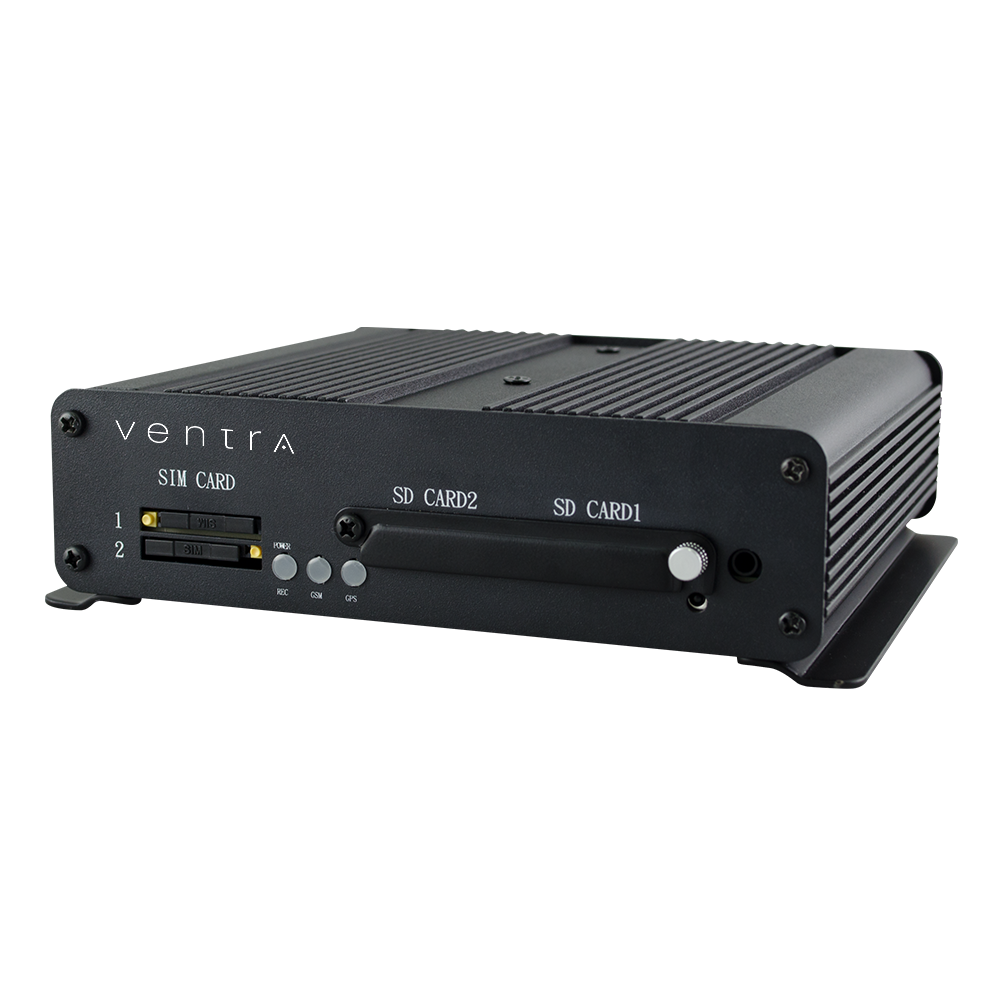
VMDR-888
- 8 CH 1080 NVR
- Built-in LTE Cellular
- GPS – Location / Speed
- Up to 1TB SD Card Storage
- VentraCloud Video TeleMatics service
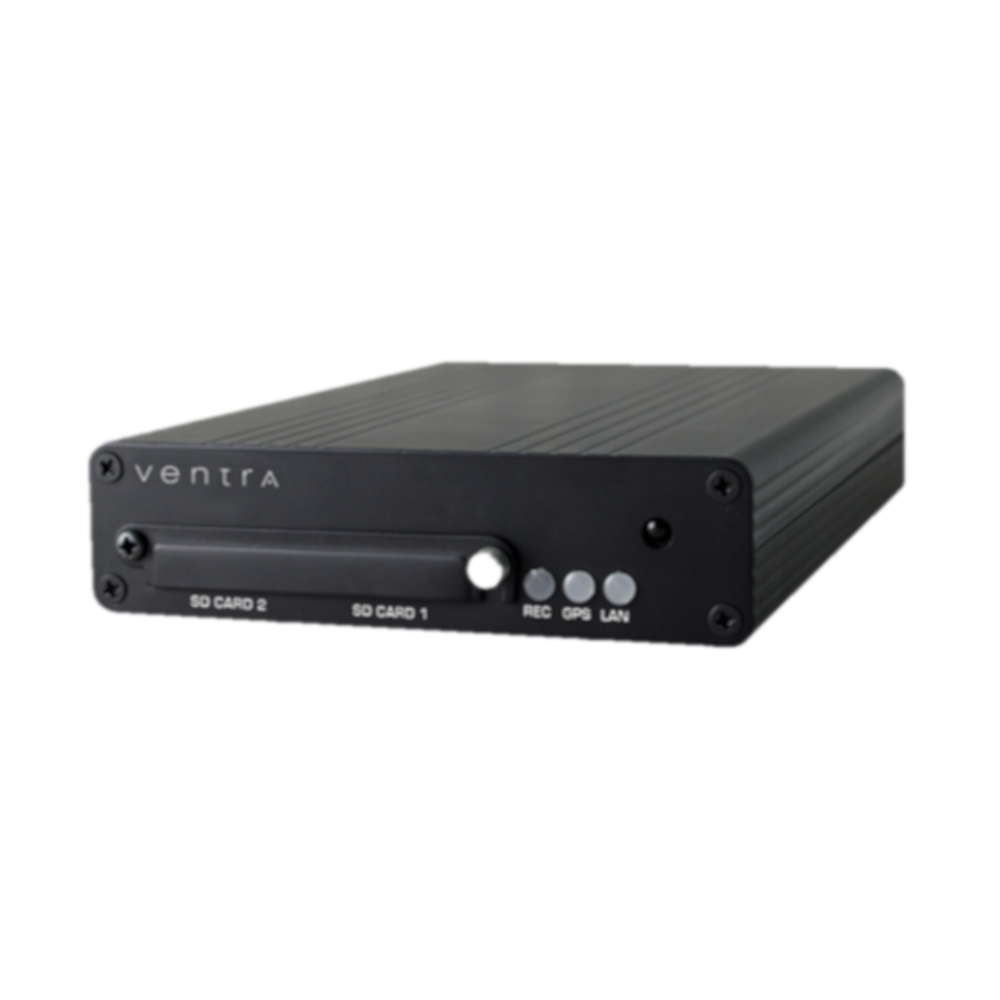
VMDR-844
- 4 CH 1080 NVR
- Built-in LTE Cellular
- GPS – Location / Speed
- Up to 1TB SD Card Storage
- VentraCloud Remote Service